Grains
Semolina / Sooji
Semolina is the coarse, purified wheat middlings of durum wheat mainly used in making upma, pasta, and couscous. The word semolina can also refer to sweet dessert made from semolina and milk.The term semolina is also used to designate coarse middlings from other varieties of wheat, and from other grains, such as rice and maize.

https://en.wikipedia.org/wiki/Semolina
Sooji vs Rawa / Rava
Rava is finest version. And soji is thicker version.
Usually for crispiness we use rava like in dosa, fitters etc. while soji is use when we need texture like in cake, sweets etc.
Durum Wheat
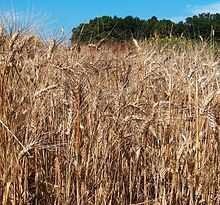
Durum wheat (/ˈdjʊərəm/), also called pasta wheat or macaroni wheat (Triticum durum or Triticum turgidum subsp.duru), is a tetraploid species of wheat.It is the second most cultivated species of wheat after common wheat, although it represents only 5% to 8% of global wheat production.It was developed by artificial selection of the domesticated emmer wheat strains formerly grown in Central Europe and the Near East around 7000 BC, which developed a naked, free-threshing form. Like emmer, durum wheat is awned(with bristles). It is the predominant wheat that grows in the Middle East.
Durumin Latin means "hard", and the species is the hardest of all wheats. This refers to the resistance of the grain to milling, in particular of the starchyendosperm, implying dough made from its flour is weak or "soft". This makes durum favorable for semolina and pasta and less practical for flour, which requires more work than with hexaploid wheats like common bread wheats. Despite its high protein content, durum is not a strong wheat in the sense of giving strength to dough through the formation of a gluten network. Durum contains 27% extractable wet gluten, about 3% higher than in common wheat (T. aestivumL.).
https://en.wikipedia.org/wiki/Durum
Buckwheat / kuttu ka atta
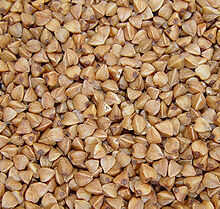
Buck wheat (Fagopyrum esculentum), or common buckwheat, is a plant cultivated for its grain-like seeds and as a cover crop. A related species, Fagopyrum tataricum, is a domesticated food plant raised in Asia. Despite the name, buckwheat is not related to wheat, as it is not a grass. Instead, buckwheat is related to sorrel, knotweed, and rhubarb. Buckwheat is referred to as a pseudocereal because its seeds' culinary use is the same as cereals', owing to their composition of complex carbohydrates.
https://en.wikipedia.org/wiki/Buckwheat
Millet
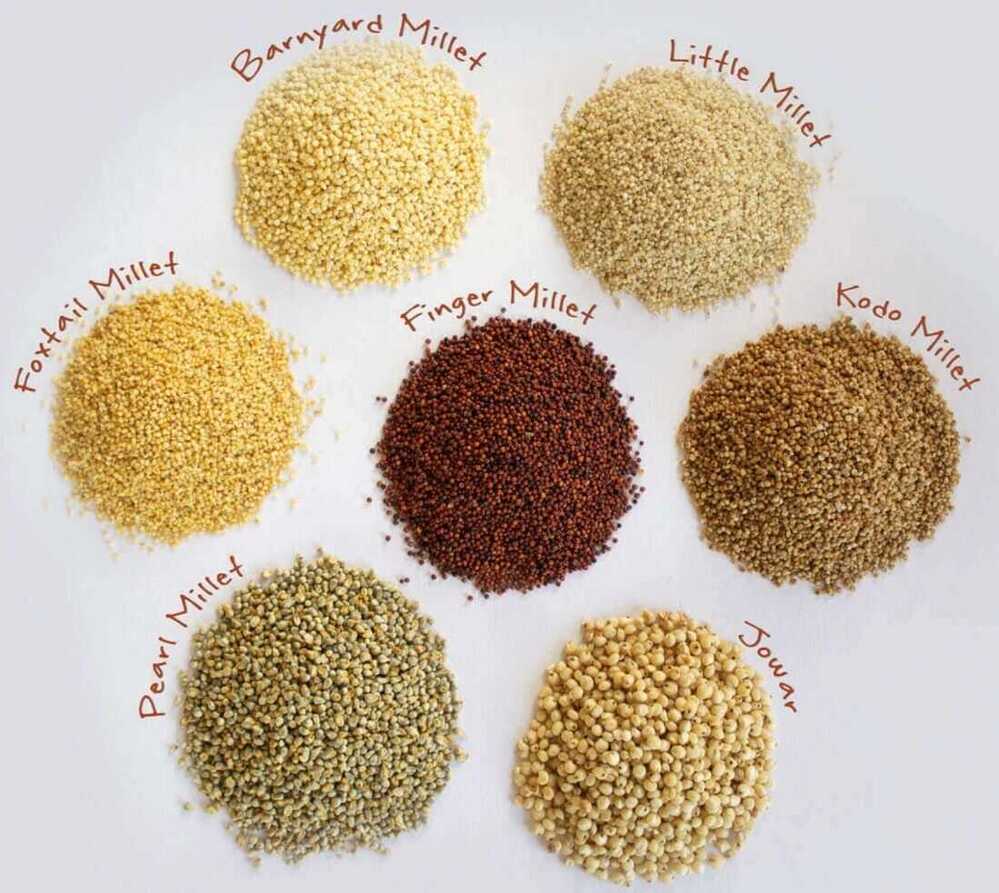
Millets are a group of highly variable small-seeded grasses, widely grown around the world as cerealcrops or grains for fodder and human food.
Millets are important crops in the semiarid tropics of Asia and Africa (especially in India, Mali, Nigeria, and Niger), with 97% of millet production in developing countries.The crop is favored due to its productivity and short growing season under dry, high-temperature conditions.
Millets are indigenous to many parts of the world. The most widely grown millet is pearl millet, which is an important crop in India and parts of Africa. Finger millet, proso millet, and foxtail millet are also important crop species.
Millets may have been consumed by humans for about 7,000 years and potentially had "a pivotal role in the rise of multi-crop agriculture and settled farming societies".
Millets are classed as major (larger grains: Jowar, Bajra, Ragi) or minor (smaller grains, considered more healing: the rest).
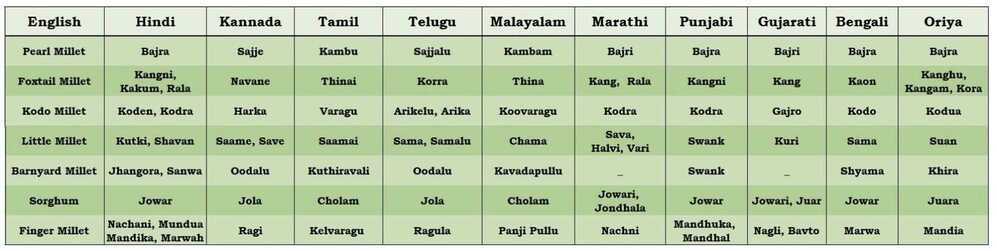
| English | Hindi | Type | Protein/100g | Calcium/100g | Fibre vs. whole wheat |
|---|---|---|---|---|---|
| Amaranth | Rajgira/ Ramdana | - | - | - | - |
| Barnyard | Sanwa/ Samvat ke Chawal | Minor | - | - | ~9x |
| Buckwheat | Kuttu | - | - | - | - |
| Finger millet | Ragi / Nachni | Major | - | ~350mg | ~3x |
| Foxtail millet | Kangni / Kakum | Minor | ~12g | - | ~8x |
| Kodu / Kodo | Kodon | Minor | - | - | ~9x |
| Little millet | Moraiyo/ Kutki/ Shavan/ Sama | Minor | - | - | ~9x |
| Pearl millet | Bajra | Major | - | - | - |
| Proso millet (broomcorn millet) | Chena | Minor | ~12g | - | - |
| Sorghum | Jowar | Major | - | - | - |
| Browntop millet | Hari Kangni | Minor | - | - | - |
For reference: white rice has ~6.5g protein and ~10mg calcium per 100g; whole wheat has ~30mg calcium and ~1.2g fibre per 100g (rice has ~0.2g fibre per 100g).
https://en.wikipedia.org/wiki/Millet
https://www.wellcurve.in/blog/different-types-of-millets
https://pristineorganics.com/millet-ancient-grains-for-a-healthier-future
Why Millets Disappeared from Indian Plates
Archaeological evidence shows millets were a global staple long before wheat/rice dominance: a 4,000-year-old noodle bowl excavated in China (Lajia site, analyzed in 2005) was made from broomcorn (proso) and foxtail millet with no wheat, and dental plaque on Harappan-era human skeletons in North India (~4,000 years old) contained starch traces of little millet and foxtail millet.
Millets were displaced from Indian farms in two historical phases:
- British colonial era: To fund tea imports from China without depleting silver reserves, the East India Company pressured (and where needed, coerced) farmers in Bihar and Uttar Pradesh to grow opium instead of millets, alongside other cash crops like indigo and cotton, for export to China. The resulting loss of food-crop farmland contributed to a series of severe famines across India between the 1800s and early 1900s.
- Green Revolution (from the 1960s): Post-independence, India adopted high-yielding wheat and rice varieties requiring heavy chemical fertiliser and pesticide use to solve the famine-era food shortage. Rice and wheat spread through farms, markets, and ration shops, further sidelining the remaining millet cultivation.
Simple substitutions: use bajra, ragi, or jowar flour in place of wheat for roti; use kangni, kodra, or sawa in place of rice. Buy unpolished millets where possible — commercial polishing (like with rice/wheat) strips away the outer nutrient- and fibre-rich layers. See the nutrient columns in the table above for protein, calcium, and fibre comparisons vs. rice/wheat.
Gut effects: unlike wheat, millets are naturally gluten-free (which is why millet dough isn't sticky/stretchy like wheat dough) and much higher in fibre, which acts like a gentle "broom" for the intestines, easing bowel movements and reducing gas, bloating, and constipation.
Three common mistakes when eating millets:
- Not soaking them — millets should be soaked 8 hours or overnight to hydrate them and ease digestion.
- Mixing multiple millet varieties in the same meal — each variety is said to support a different organ system, so combining them dilutes the effect; eat one variety per meal.
- Eating millets without vegetables — pair with plenty of water-rich vegetables so the meal isn't too drying. Suggested plate: ~30% millets, ~30% dal/legumes, ~30% water-rich vegetables.
Blood sugar effect: unlike rice/wheat, where the carbohydrate is a "naked carb" not shielded by fibre and gets broken down into blood sugar within about 15 minutes (causing a spike-then-crash cycle of fatigue, cravings, and fat storage), millet grains have fibre interleaved with the carbohydrate itself. This forces digestive enzymes to release glucose slowly, over roughly 6 hours, avoiding sharp blood-sugar spikes — the basis for millets' low glycemic index and their use in diabetes and blood-sugar management (claims made by Dr. Khadar Vali, "the Millet Man of India," a Padma Shri awardee referenced in the source video).
Source: The Greatest Food Theft in Indian History (& You Still Pay the Price) - Satvic Movement
Oats
All oats start out exactly the same: as whole oat groats. This is the whole grain kernel with just the inedible outer hull removed.
The differences between steel-cut, rolled, and instant oats come down entirely to how much those groats are processed. The more an oat is processed (steamed, flattened, or chopped), the faster it cooks—but it also digests faster, which raises its Glycemic Index (GI).
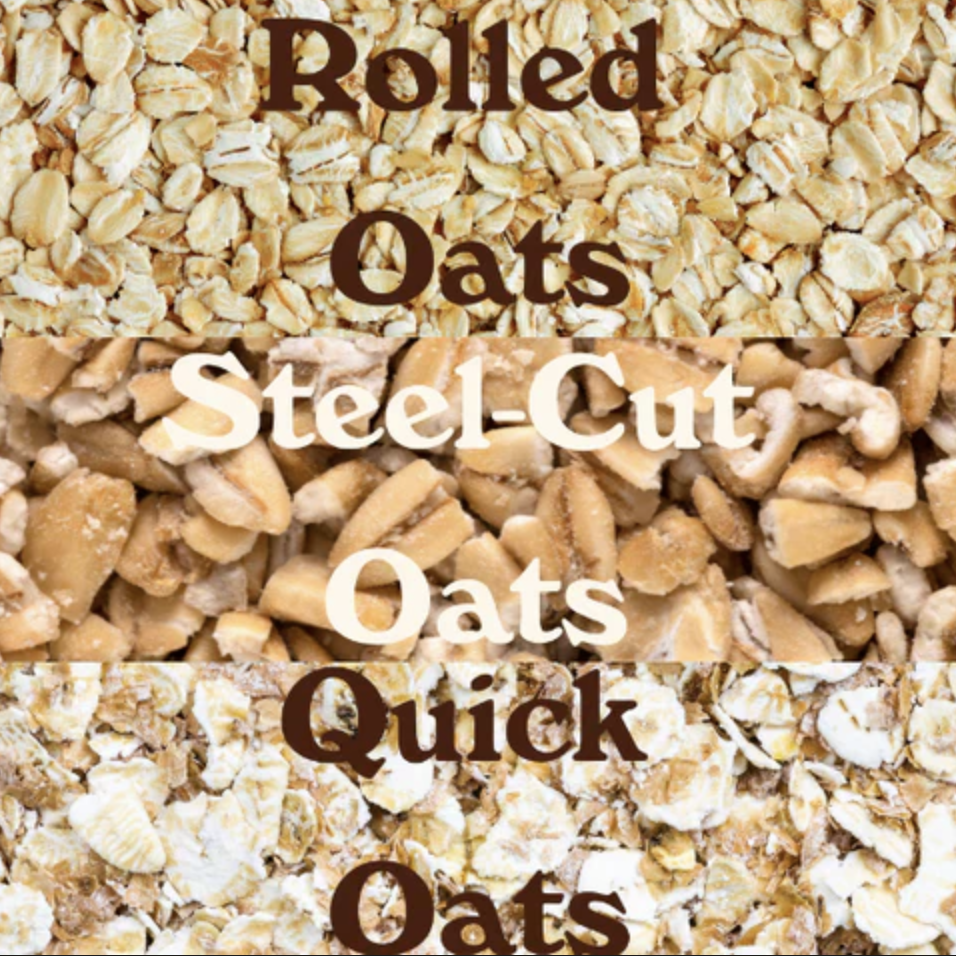
The Oat Spectrum (From Least to Most Processed)
1. Whole Oat Groats
- What they are: The intact, un-chopped, un-rolled grain.
- Texture: Very chewy, similar to brown rice or wheat berries.
- Cooking Time: 45–60 minutes (soaking overnight highly recommended).
- Health Profile: The absolute best for blood sugar. They have the lowest GI and keep you full the longest, but they are rarely used for breakfast due to the long prep time.
2. Steel-Cut Oats (Irish Oats)
- What they are: Whole oat groats that have been chopped into two or three pieces with a steel blade. They are not steamed or rolled.
- Texture: Dense, chewy, and slightly nutty. They retain a "bite" even after cooking and do not get mushy.
- Cooking Time: 20–30 minutes.
- Health Profile: Excellent. Because the pieces are thick, your digestive enzymes take longer to break them down, leading to a slow, steady release of glucose into your bloodstream.
3. Rolled Oats (Old-Fashioned Oats)
- What they are: Oat groats that are steamed to make them soft, then pressed through metal rollers to flatten them into flakes.
- Texture: Softer and creamier. They absorb a lot of liquid and can become mushy if overcooked.
- Cooking Time: 5–10 minutes.
- Health Profile: A great middle ground. The steaming and rolling process slightly pre-cooks the starches, so they digest a bit faster than steel-cut oats, but they still retain their full fiber profile. This is the best type to use for making "Oats Poha."
4. Quick & Instant Oats
- What they are: Rolled oats that are steamed much longer, rolled much thinner, and sometimes finely chopped. Instant oats are basically pre-cooked and dehydrated, often with added sugars or flavors.
- Texture: Very soft, often turning to a paste or slime when mixed with hot water.
- Cooking Time: 1–2 minutes (or just by adding hot water).
- Health Profile: The least healthy option. Because they are so thin and pre-cooked, your body digests them almost immediately. This causes a rapid spike in blood sugar, acting more like refined white flour than a whole grain.
Direct Comparison
| Type | Processing Method | Texture | Glycemic Index | Best For |
|---|---|---|---|---|
| Steel-Cut | Chopped with a blade | Chewy, nutty | Low (~55) | Porridge, savory upma (needs pressure cooking). |
| Rolled | Steamed & flattened | Soft, absorbs liquid | Medium (~59) | Granola, overnight oats, oats poha, baking. |
| Instant | Pre-cooked, rolled thin, chopped | Mushy, paste-like | High (70-83+) | Emergency meals only; avoid for daily use. |
Key takeaway: No matter which type you buy, you are getting the same exact amount of fiber, protein, and calories per gram. The only thing that changes is how fast your body breaks that nutrition down.
Is Oats Better? (Pros & Cons)
Oats are an excellent, versatile whole grain, but they are not a flawless superfood.
Pros of Oats:
- Beta-Glucan: A specific type of soluble fiber proven to lower LDL (bad) cholesterol.
- Blood Sugar Management: Prevents insulin spikes, making it highly suitable for diabetics.
- Satiety: The high fiber content expands in your stomach, curbing mid-morning cravings.
- Versatility: Cooks extremely fast and adapts easily to both sweet and savory Indian flavor profiles.
Cons of Oats:
- Phytic Acid: Oats contain antinutrients that can bind to minerals (like iron and zinc), preventing your body from absorbing them.
- Texture Profile: They easily turn into a slimy porridge, which makes replicating dry dishes like poha or upma difficult.
- Glyphosate Risk: Depending on the brand, non-organic oats are often sprayed heavily with pesticides.
- Processing: Instant or quick oats are heavily processed, stripping away the very benefits that make whole oats healthy.
OATS Explained: Benefits & Recipes | Busting Myths about OATS | Saurabh Bothra Yoga - YouTube
Better Alternatives to Oats
If you are looking for grains that offer the same—or better—health benefits as oats, with superior texture for Indian cooking, consider these alternatives:
Millets (Foxtail, Barnyard, Little, or Kodo)
- Why they are better: Millets are ancient, indigenous Indian grains. They have an exceptionally low Glycemic Index, are naturally gluten-free, and are incredibly rich in iron, calcium, and protein.
- Usage: They make fantastic upma or perfectly fluffy pulao without turning mushy.
Quinoa
- Why it is better: Unlike oats, quinoa is a "complete protein," meaning it contains all nine essential amino acids your body needs. It is also packed with fiber and magnesium.
- Usage: Quinoa fluffs up beautifully and is a direct, texture-perfect replacement for suji in upma or rice in pulao.
Red or Brown Rice Poha
- Why it is better: If you love the traditional texture of poha but want more nutrition, red or brown rice flakes retain the nutrient-dense bran layer that white rice poha loses.
- Usage: Use exactly like normal poha. It takes slightly longer to soak but provides more fiber, B vitamins, and complex carbs.
Amaranth (Rajgira)
- Why it is better: A powerhouse of calcium and protein. It is highly anti-inflammatory and easier to digest than oats.
- Usage: Best used as a porridge or mixed into savory batters, rather than as a flaky upma substitute.
Other Grains (Gluten Free)
| English | Hindi |
|---|---|
| Rice | Chawal |
| Puffed Rice | Murmure |
| Beaten Rice | Poha |
| Brown Rice | |
| Corn, Maize | Makkai, Makki, Bhutta |
| Polenta | Makkai ka Daliya |
| Oats | Jaee |
| Quinoa | |
| Tapioca Pearls, Sago | Sabudana |
| Water chestnut four | Singhare ka aata |
| Teff | |
| Brown Top Millet | Makra |
Corn is mainly used in North America, however in the UK and other parts of the world, maize is more commonly used. ... For example, corn is most commonly used when referring to food items, such as popcorn, whereas maize is less commonly used to describe these foods, even though it comes from the same crop.
Cornflour and corn flour (two words) are different things
The later one you asked, is makai ka ata which we get from whole kernel. Often known as maize flour and can be used for making roti's and tortilla.
Cornflour is starch which gets from endosperm portion of kernel and used as binding or thickening agent.
https://www.quora.com/Is-corn-flour-same-as-makke-maize-ka-ata
Gluten Free Flours
- Almond flour
- Arrowroot flour
- Chickpea flour
- Cononut flour
- Tapiaco flour
- Cassava flour
- Tigernut flour
https://www.healthline.com/nutrition/gluten-free-flours
Gluten Containing Grains
| All-purpose white flour | Maida |
| Barley | Jau / Jav |
| Broken wheat | Daliya (These days there is also gluten free jowar daliya) |
| Bulgar | |
| Couscous | No exact hindi word but it is like thick sooji. |
| Rye | |
| Semolina | Sooji / Rava |
| Vermicelli | Seviyan, Sevaiyan |
| Wheat | Gehoon |
| Whole Wheat Flour | Gehoon aata |
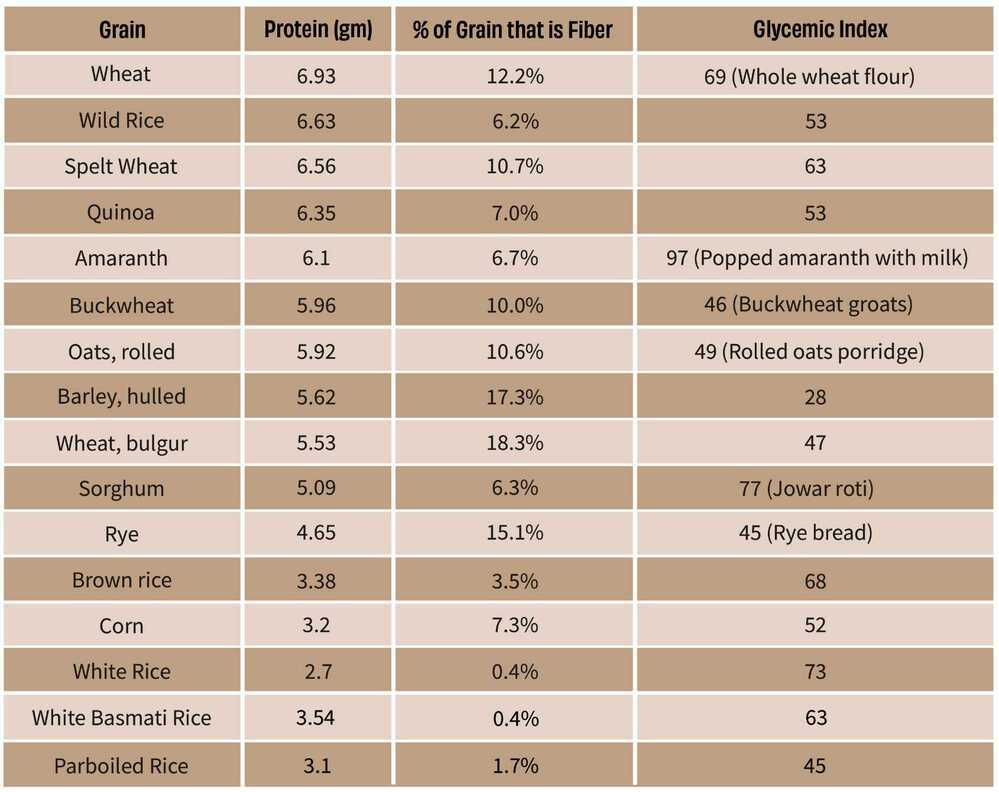
Eight Swaps To Eat Better Everyday - Truth Be Told
Seeds
- watermelon seeds
- flax seeds
- sunflower seeds
- pumpkin seeds
- chia seeds
- Sesame seeds
1. Pumpkin Seeds (Highly Recommended)
- The Benefit: These are iron champions. They will directly help combat your anemia (hemoglobin 9.9 g/dl).
- How to Eat: Dry-roast them in a pan without oil or salt. Eat 1 tablespoon as a mid-morning snack. To boost iron absorption, eat them alongside a Vitamin C source, like your morning guava or orange.
2. Flax Seeds (Highly Recommended)
- The Benefit: Rich in Omega-3 fatty acids, which keep your blood vessels flexible and support your heart stent, helping maintain that excellent LDL of 23 mg/dL.
- How to Eat: You must grind them into a powder. If you eat flax seeds whole, they will pass through your digestive system completely undigested. Store the ground powder in an airtight container in the fridge to prevent it from going rancid. Sprinkle 1 teaspoon over your morning oats or mix it into your pasteurized dahi.
3. Chia Seeds (Highly Recommended)
- The Benefit: Chia seeds are mostly soluble fiber. This creates a gel in your stomach that slows down digestion, preventing your blood sugar from spiking (crucial for targeting your 9.2% HbA1c).
- How to Eat: Never eat them dry. Always soak 1 teaspoon of chia seeds in half a glass of water or pasteurized milk/dahi for at least 15-20 minutes before consuming.
4. Watermelon Seeds (Great Option)
- The Benefit: A great source of plant-based protein and magnesium, which helps regulate blood pressure.
- How to Eat: Dry-roast them until crunchy. Ensure they are completely unsalted. You can mix half a teaspoon of these with your roasted makhana for an evening snack.
5. Sunflower Seeds (Good Option)
- The Benefit: Loaded with Vitamin E, a powerful antioxidant that protects your heart and reduces inflammation.
- How to Eat: Dry-roast them. Strictly unsalted. Because they are slightly higher in calories, limit them to just half a tablespoon mixed into your cooked Dalia Upma or Quinoa Poha.
6. Sesame Seeds (White or Black Til)
- The Benefit: Extremely high in calcium and iron, making them another great tool against your anemia.
- How to Eat: Lightly dry-roast them and sprinkle a tiny pinch (about 1/4 teaspoon) over your cooked sabzis, dal, or roasted eggplant (baingan bharta) just before eating.
Strict Golden Rules for Seeds
- Zero Salt: Commercially packaged roasted seeds are often loaded with sodium. You must buy raw, plain seeds and roast them at home yourself to protect your blood pressure.
- Portion Control: Seeds are very calorie-dense and high in fat. Even though it is "good" fat, too much will strain your digestion. Keep your total daily seed intake to 1 to 1.5 tablespoons combined.
- The Transplant Safety Rule: Always dry-roast your solid seeds (pumpkin, sunflower, watermelon, sesame) in a hot pan before storing them. This heat acts as a sterilization step, killing off any potential surface bacteria from the packaging or harvesting process, which keeps your suppressed immune system safe.