Languages Others
What Is Wrong With Hindi? - YouTube
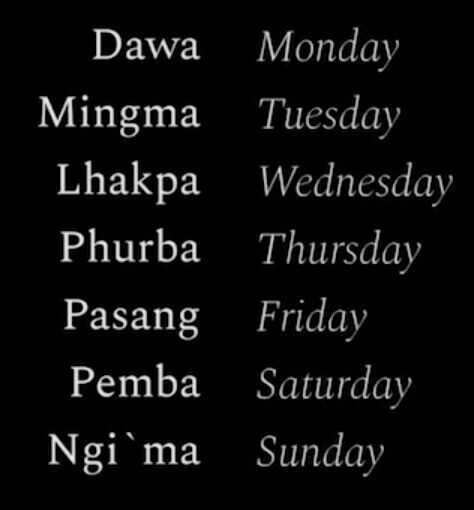
It is tradition for Sherpa to name their children after the day of the week on which they were born.
Tibetan
French
- La femme termine sa lettre (The woman finishes her letter)
- Ca casse (It breaks)
- On va chez vous ou chez moi (Are we going to your place or mine)
- Vous me plaisez (I like you)
- Je m'appelle Deepak (I am called deepak)
- Bonjour (Hello)
- Salut (Hello/Goodbye)
Chinese
- Mandarin
- Cantonese
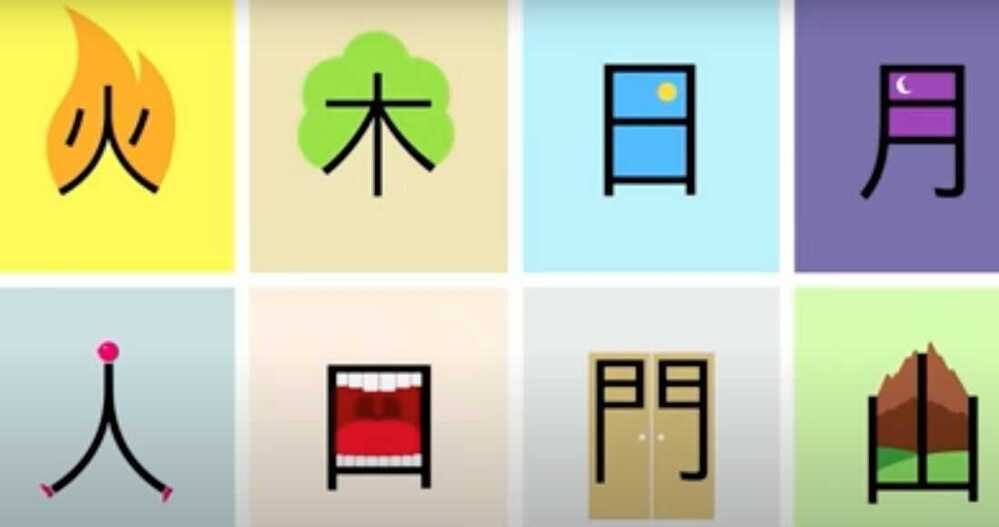
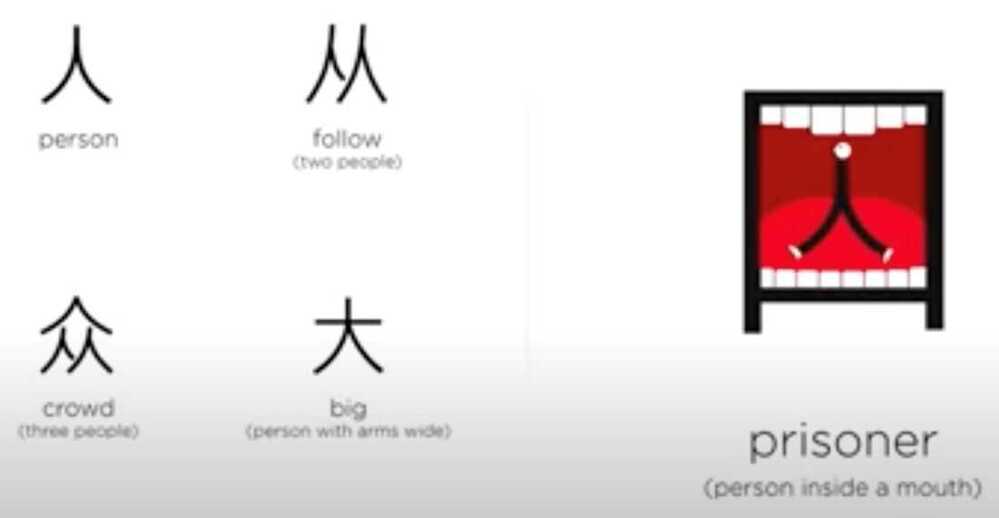
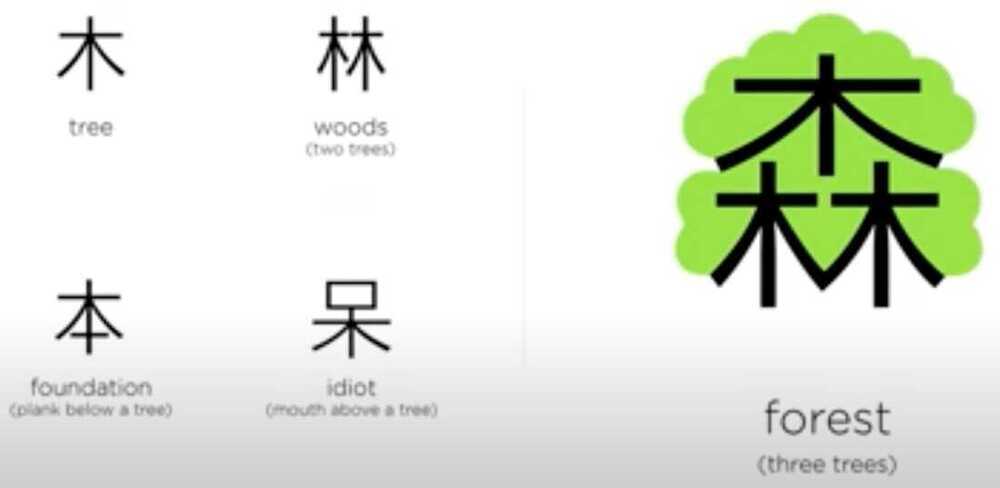
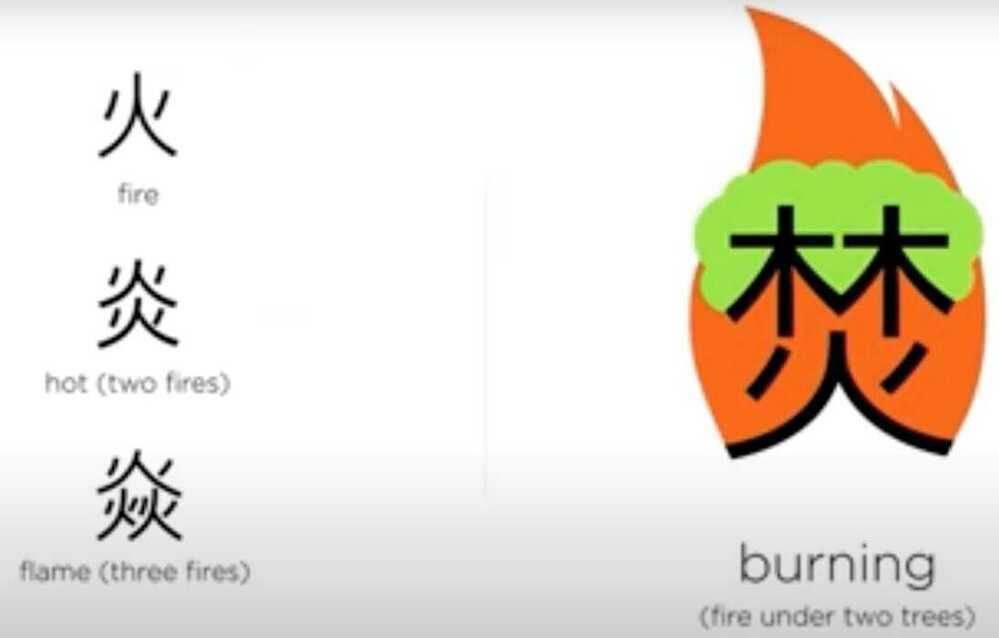
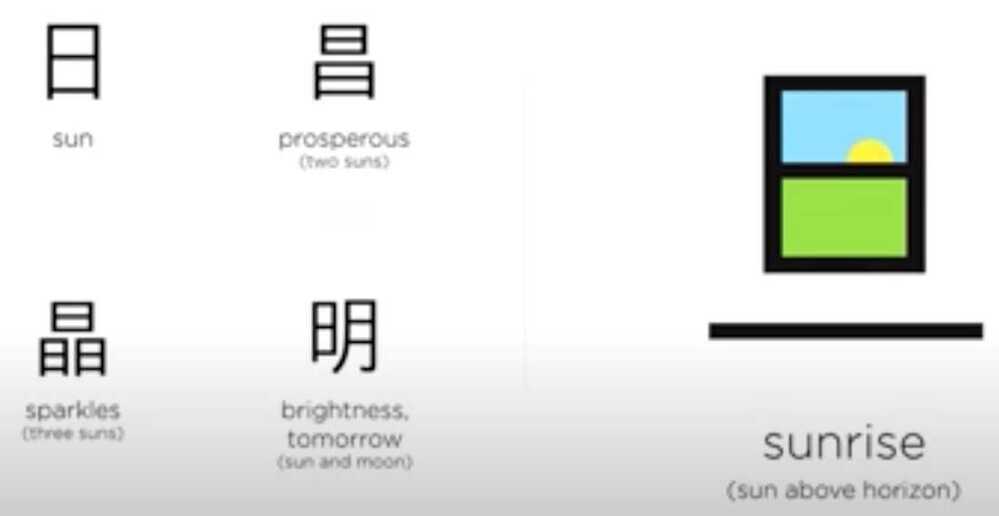
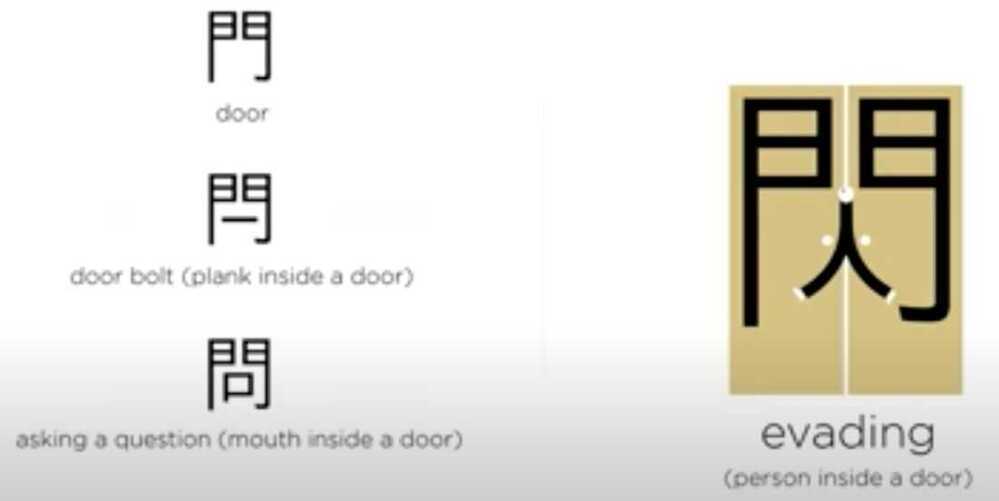
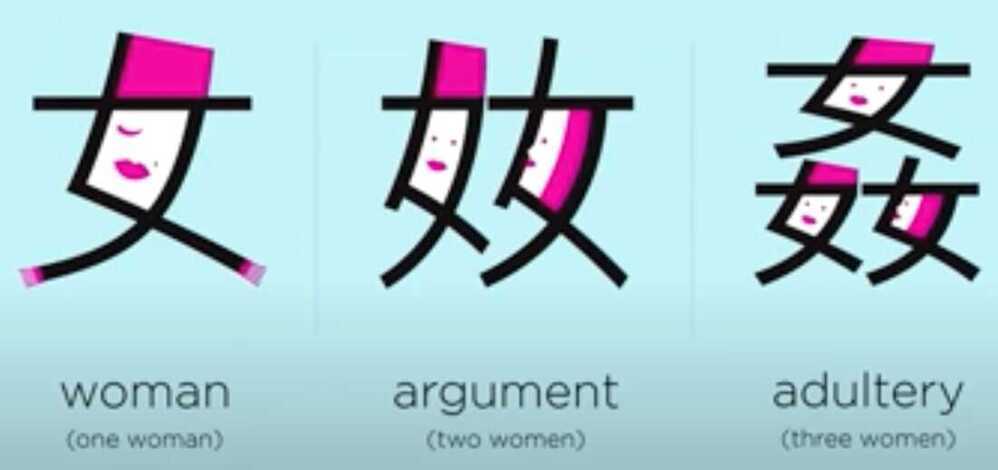
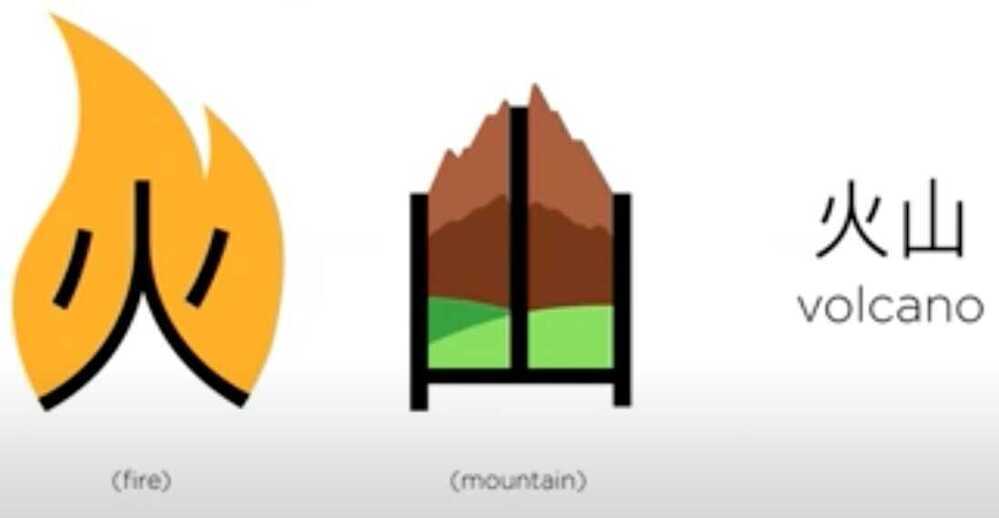
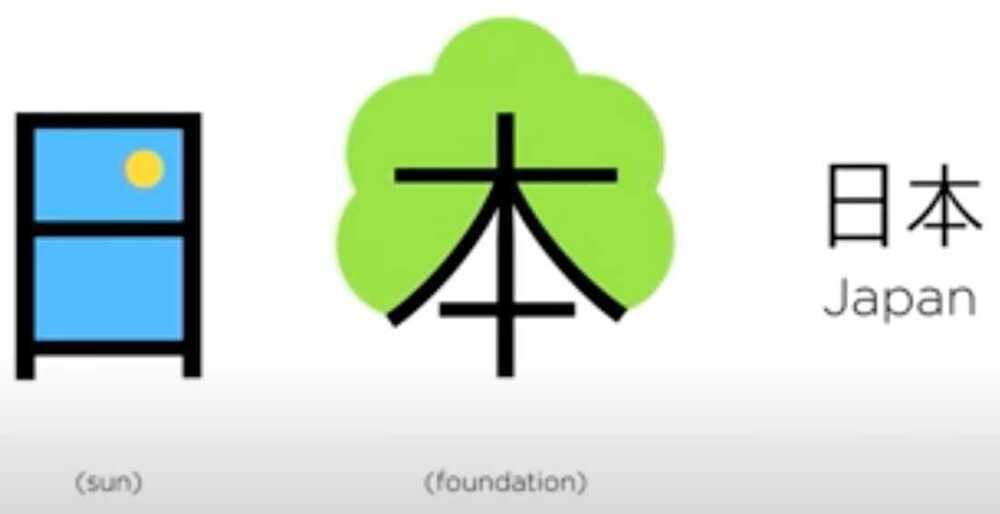
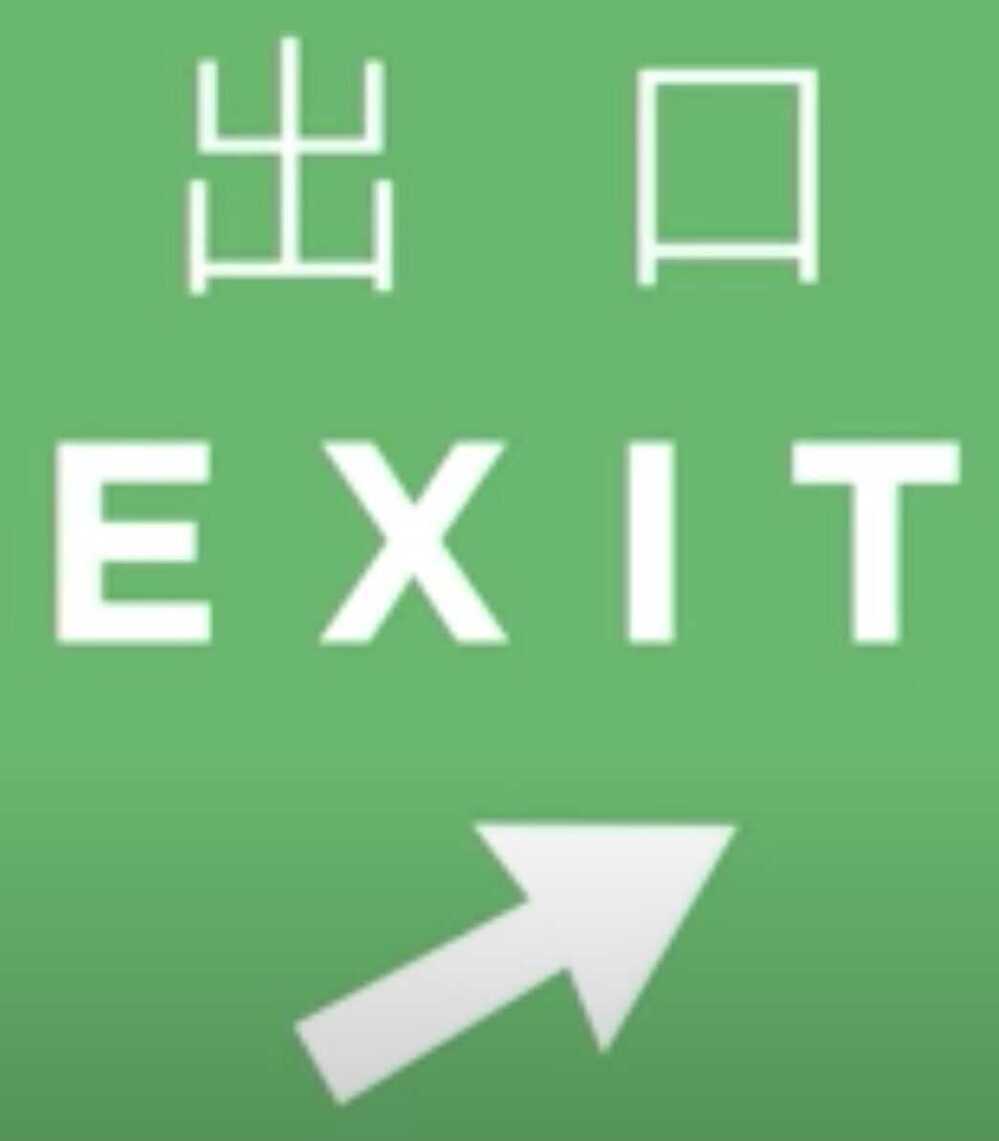
https://www.youtube.com/watch?v=T5FNvW19GbA
Learn to read Chinese ... with ease! | ShaoLan
Dutch
Small Talk in Dutch | Easy Dutch 22 - YouTube
Others
NATO phonetic alphabet
| Alfa | November |
|---|---|
| Bravo | Oscar |
| Charlie | Papa |
| Delta | Quebec |
| Echo | Romeo |
| Foxtrot | Sierra |
| Golf | Tango |
| Hotel | Uniform |
| India | Victor |
| Juliett | Whiskey |
| Kilo | Xray |
| Lima | Yankee |
| Mike | Zulu |
NATO phonetic alphabet - Wikipedia
Māori
Ngā mihi is a common Māori phrase meaning "thanks," "acknowledgments," or "greetings". Frequently used in New Zealand, it serves as a polite sign-off for emails, letters, or speeches, expressing appreciation or warm regards. It is a versatile phrase, often shortened from ngā mihi nui (many thanks) or extended to ngā mihi o te rā (greetings of the day).
- Ngā mihi nui: Many thanks/Warm regards.
- Ngā mihi o te rā: Greetings of the day.
- Kia ora: A more casual thanks or hello.
- Tēnā koe: Formal greeting (to one person).